Intuitive eating
In an age characterized by self-improvement and social media, the pressure to follow a specific lifestyle and diet seems to be constantly increasing. Getting up early, meditation, yoga, strict diets—all of this is often touted as the key to success and well-being. But behind these tempting promises, there is often a reality that forces us to ignore our natural needs and limits.

In short:
- Losing weight isn't always the answer. And it shouldn't become a habit.
- Intuitive eating is the new anti-diet. No rules or prohibitions to develop balanced eating habits.
- Get to know your body again. Stop your feelings of hunger and satiety and build a healthy relationship with food.
- Everyday work can also be stressful. In the blog article, you'll find four tips that can help you implement intuitive eating
The daily energy consumption of an adult is between 1800 and 3100 kcal per day. The value depends on various factors such as gender and physical activity. So why do diets recommend that we eat less than 1200 calories when this concept may not be appropriate?
Many people are guided by an ideal of beauty and emulate it. Through social media, we are aware that it is normal to weigh under 50 kilos and not have cellulite. To achieve this, many resort to diets that require a calorie deficit to reach this weight. The pressure to conform to an unrealistic ideal of beauty has far-reaching effects on our self-esteem and mental health. Studies show that excessive preoccupation with dieting can lead to eating disorders and other mental health problems.
What do diets promise us?
The word “diet” is now used for eating habits that promise rapid weight loss and improved body image. From keto to low-carb to detox programs, there are countless dietary approaches. The Diets Prohibit or Restrict Eating Certain Macronutrients and Food Groups.
When there is a calorie deficit, the body draws on its energy reserves. The glycogen store, fat reserves and muscle proteins are broken down. In extreme cases, even the heart muscle can be attacked, which can cause serious health problems.
It is important to be aware that health and well-being cannot be defined exclusively by figures such as our weight or body mass index (BMI). The value of a person can Not Be measured by its weight. The diet mentality leads us to think: “If I'm thin, I'll be happy.” But this way of thinking only offers one Short term solution with long-term harmful physical and mental consequences. It is more important to develop long-term strategies to establish balanced eating habits that include a variety of foods without unnecessary restrictions.
The new anti-diet
The idea of intuitive eating comes across as a refreshing breeze in the midst of diet culture. It offers a way out of restrictions and feelings of guilt and invites us to build a healthy relationship with our body and food.
But what exactly is intuitive eating? At its core, it's about listening to our body's signals again and trusting it. It means looking at food no longer as a moral issue or a means of controlling body weight, but as a way to provide our bodies with food and experience from eating pleasure.
Intuitive eating is based on four fundamental principles:
- Eat when you're hungry: Instead of sticking to rigid meal times, learn to pay attention to your body's natural feelings of hunger and then feed it.
- Stop when you're full: Instead of forcing yourself to empty your plate, stop eating when you feel satiated — even if there's still food left over.
- Free yourself from the diet mentality: Say goodbye to rigid rules and restrictions and allow yourself to enjoy all foods without feeling guilty.
- Allow yourself to enjoy all foods: Intuitive eating means saying goodbye to the idea that certain foods are “good” or “bad,” and instead allowing yourself to eat whatever you want, in moderation and with mindfulness
The benefits of intuitive eating are many. Studies show that people who eat intuitively have a healthier body weight, suffer less from eating disorders, and have better mental health. In addition, intuitive eating leads to a more relaxed relationship with food and body image and enables a sustainable and balanced diet in the long term. In everyday life, the focus is not on dietary rules, but on the appreciation of pleasures.
Tips and tricks:
- Listen to your body: Pay attention to feelings of hunger and satiety. Learn to recognize and respond to your body's needs.
- Say goodbye to diet rules: Free yourself from the idea that certain foods are “good” or “bad.” Allow yourself to eat all foods in moderation, without feeling guilty.
- Eat slowly and mindfully: Take time for your meals and focus on eating consciously. Enjoy the taste and texture of your food and feel how it makes your body feel.
- Respect your preferences: Choose foods that make you happy and satisfied. Don't listen to your gut feeling and hunger. Satiate your appetite.
- Be flexible with your meal times: Trust that your body knows when it needs food and eat when you're hungry, regardless of the time. There are more tips for everyday work at the end of the blog post!
- Plan ahead but be open to change: It can be helpful to plan meals ahead of time to ensure that you eat in a balanced way. However, stay flexible and adjust your plans as your needs change.
- Be kind to yourself: Treat yourself with compassion and kindness, both in terms of your habits and body image. Accept that there are good days and bad days, and be patient with yourself. Feeling your body's signals again requires practice.
- Seek support: Connect with others who also practice intuitive eating to share experiences and tips. If necessary, also seek professional help from nutritionists or therapists who specialize in intuitive eating.
And lastly My personal tip: It is incredibly difficult for me to leave things behind and not eat when I am no longer hungry. Especially in a restaurant where I know it's being thrown away. That's why I started walking around everywhere with foldable Tupperware. This prevents me from getting sick from overeating and reassures my conscience when it comes to food waste. Plus, I've guaranteed my snack for later;)
Intuitive eating at work
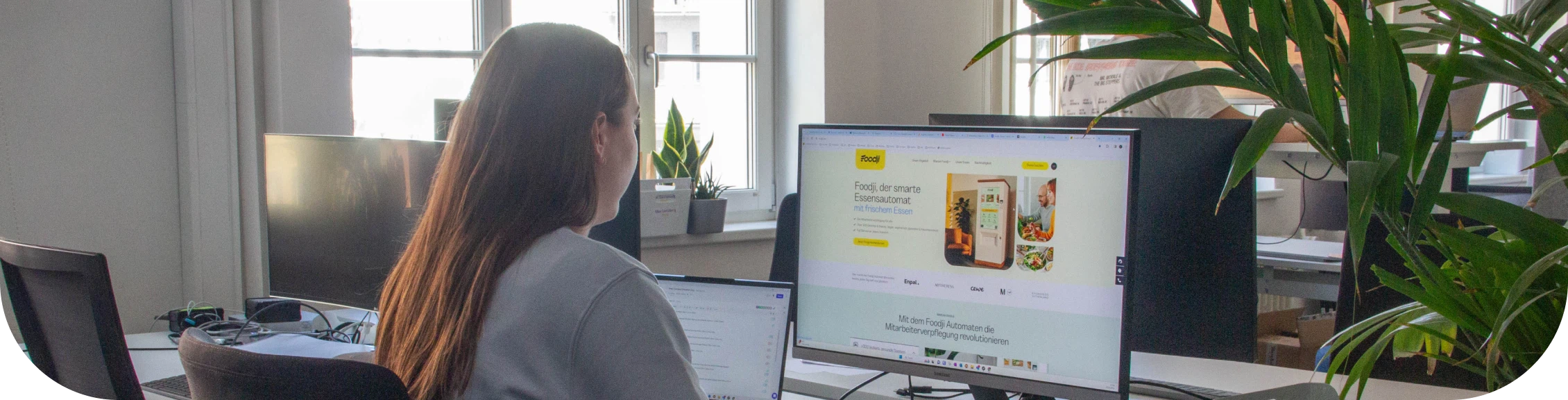
In everyday office life, it can be challenging to maintain intuitive eating habits. After all, eating between meetings, calls and deadlines is often a logistical challenge. You can rarely be so flexible to just pull out your sandwich during a meeting to eat. Or you can't just get up and eat whatever you want. The restrictions in everyday working life can make intuitive eating difficult.
In order to find a balance between everyday work and intuitive eating, the following strategies can be helpful:
- Plan meals in advance: When you know that everyday office life is getting hectic, it makes sense to have healthy options on hand to avoid resorting to unhealthy meals
- Keep snacks mobile phone: Carrying snacks such as nuts, fruit, or vegetable sticks can help prevent food cravings and keep blood sugar levels stable. These can be easily stored in a desk drawer or bag and provide a quick and healthy snack.
- Mindfulness when eating: When time is short, consciously take time to eat. Even just a brief moment of focusing on the food and enjoying the taste can help you achieve a sense of satisfaction and avoid overeating.
- Flexibility and self-forgiveness: Sometimes the stressful office routine leaves no choice but to quickly eat something that is currently available. In such moments, it is important to be aware that Not about perfection, but by a healthy balance Works in everyday life.
At first, the term “intuitive” may seem somewhat misleading, as the transition to intuitive eating habits requires time, patience, and practice. The connection between losing weight and the ability to understand your own body signals is crucial for a sustainable and healthy diet. It is about overcoming old thought patterns and behaviours and developing a new, mindful approach to eating. But it's worth the effort. By learning to listen to and trust our body's needs, we can develop a peaceful and satisfying relationship with food and our bodies. Eat a diet free from diets and restrictions.
Maybe that's something for you too?

sources:
- https://www.dge.de/wissenschaft/referenzwerte/energie/
- https://pubmed.ncbi.nlm.nih.gov/18025815/
- https://lindnercenterofhope.org/blog/why-dieting-can-be-harmful/
- https://www.youtube.com/watch?v=pKUAajN5fnc


.webp)